
Teaching Children to Think Before Answering: What Montessori Calls the Art of Stepping Back
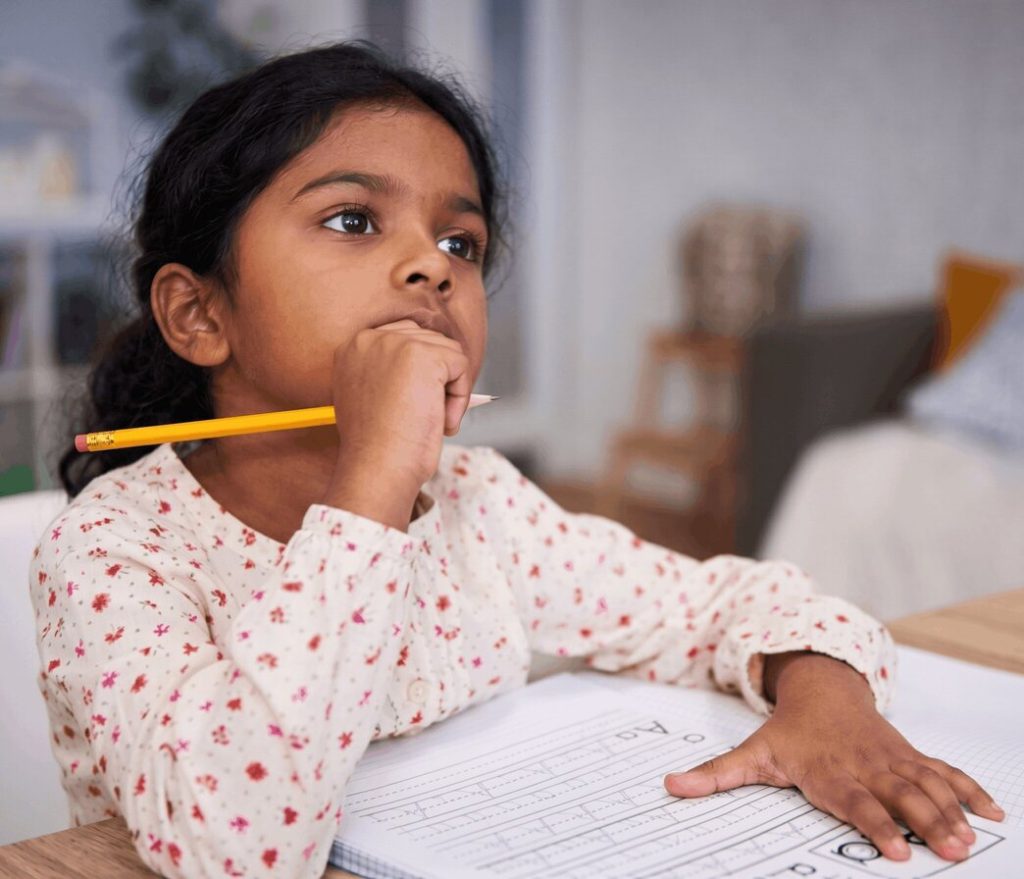
Teaching children to think before answering is one of the quieter skills a school can build, and one of the hardest for parents to protect at home. Most days, we do the opposite by accident. A child pauses at a question, and we fill the pause for her. We prompt, we suggest, we soften, […]
When Children Teach Adults: How Montessori Builds Real Understanding
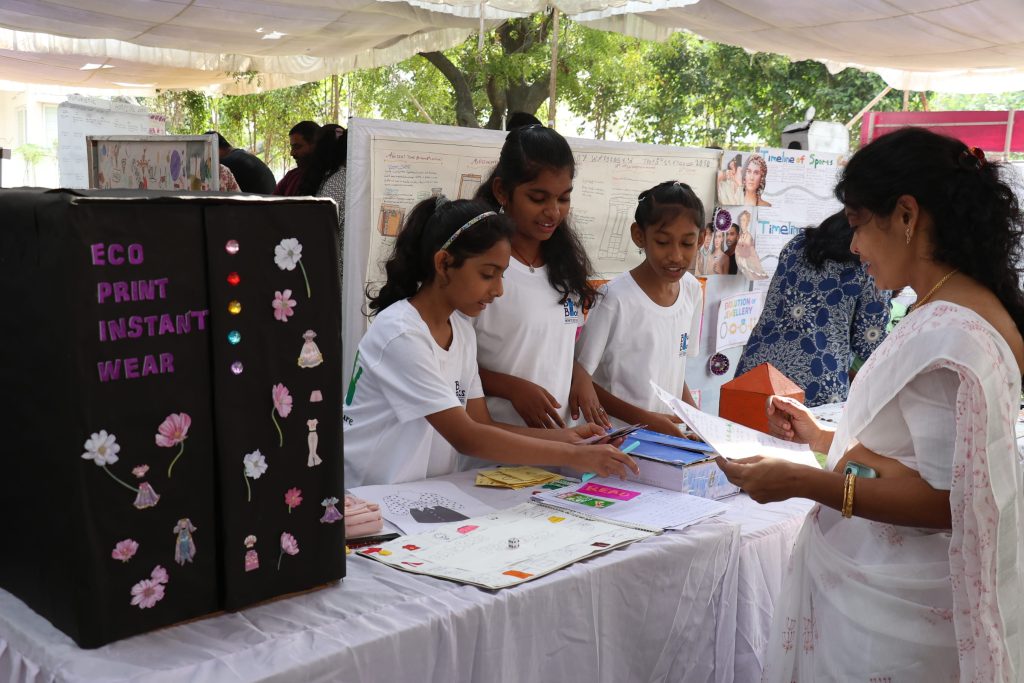
When children teach adults something the adult did not know before, most parents assume the child in front of them is unusually gifted. A born presenter. A rehearsed talker. We think this reading gets the child wrong, and it gets the school wrong too. The reversal that surprises parents at our events, when the child […]
Real Learning in Montessori: What a School Gives an Adolescent and Why

Real learning Montessori is a phrase the movement uses often enough that it has started to lose precision. Schools market real learning. Curriculum brochures promise real learning. Parents looking for an alternative to conventional schooling are asked to recognize real learning when they see it. The word does honest work — but only when the […]
Teaching Teenagers Engineering: How Adolescents Convinced a Satellite Company CEO in 30 Minutes
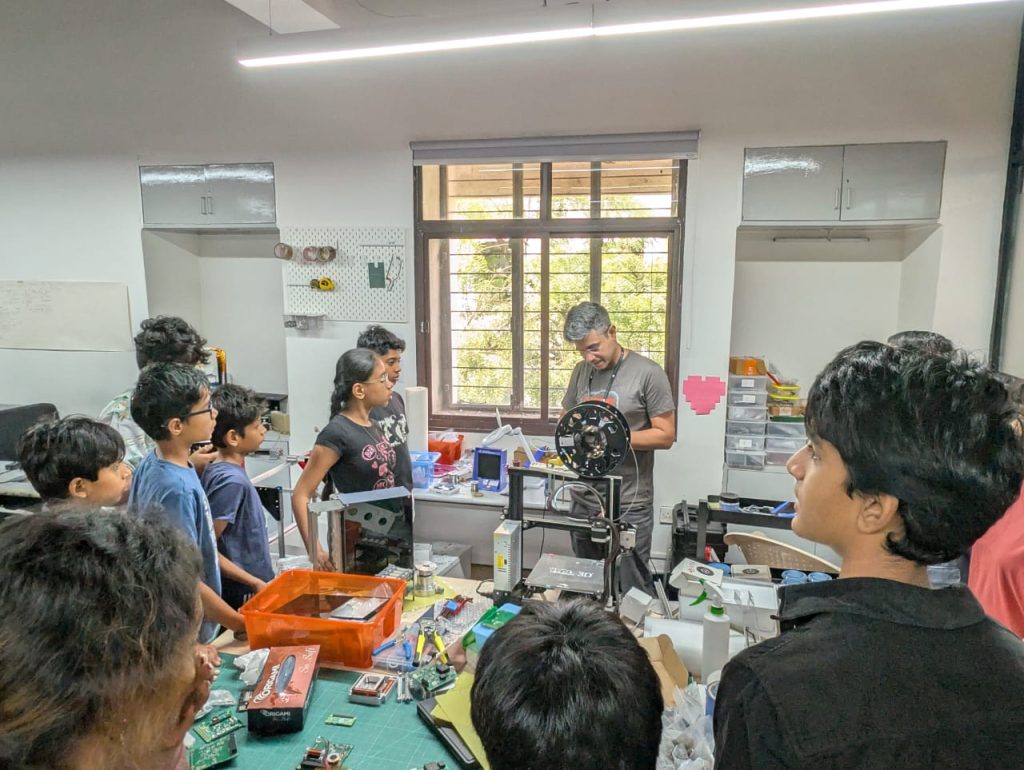
When we approached Ronak Samantray — CEO and founder of TakeMe2Space, an Indian satellite company that builds and launches real spacecraft — about collaborating with our adolescents on a CubeSat, he was not sure adolescents could do this kind of work. He said so directly. That was the right response from him. Teaching teenagers engineering […]
Raising Curious Children: How does curiosity at age 3 become a project at age 13?

We wrote earlier about how to raise a curious child — the small, daily, slightly resistant questions a three-year-old asks about bedtime, shoes, and the colour of leaves. This piece is about what those questions become. Raising curious children is a ten-year proposition. The question a three-year-old asks at the dinner table, and the project […]
What Happens When a Teenager Asks for Summer Homework: Research Identity in a Montessori Adolescent Program

In the final session of a four-week palaeontology program I ran for the Erdkinder cohort at our school, one of the students asked me if she could have summer homework. The school year was about to close. She wanted, before it did, to know what she could keep working on through the holidays. She did […]
Why Twelve Adolescents Started a Palaeontology Program and Three Finished It: Attrition as Evidence in Erdkinder Montessori

Twelve adolescents at our school joined the first session of a four-week palaeontology program this April. Eight returned for Session 2. Four returned for Session 3. Three completed Session 4 and continued working with us after the school year ended. The numbers are the most useful single data point in the case study, Blue Blocks […]
From Pink Tower to Satellite: Three Montessori Adolescents at the AMI Congress

Three adolescents from Blue Blocks Montessori School in Hyderabad stood on the main stage of the 30th International Montessori Congress in Mexico, in front of 1,500 attendees from the global AMI community, and walked the audience through their work — from the foundational Montessori material every one of those 1,500 trained adults had once placed […]
Self-Expression in Montessori: How a Five-Year-Old Speaks to a Stranger Without Help

A five-year-old stood at his stall at our annual school event and explained his project to visitors he had never met before. He had no script. No adult prompted him. The visitors had not been prepared in advance with the right questions. His father, watching from a few feet away, told us afterwards: “He’s just […]
Child-Led Learning: Three Sentences From a Mother at Explore Montessori 2025

A mother at our annual school event answered three of our questions in three short sentences. Asked what she had learned from supporting her daughter’s project for the day, she said: “Children, when given freedom to explore, think beyond limits and surprise us with their creativity. Learning becomes deeper when it is children-led.” Asked how […]