




60 Young Researchers, One Question: What Can Nature Teach Us?
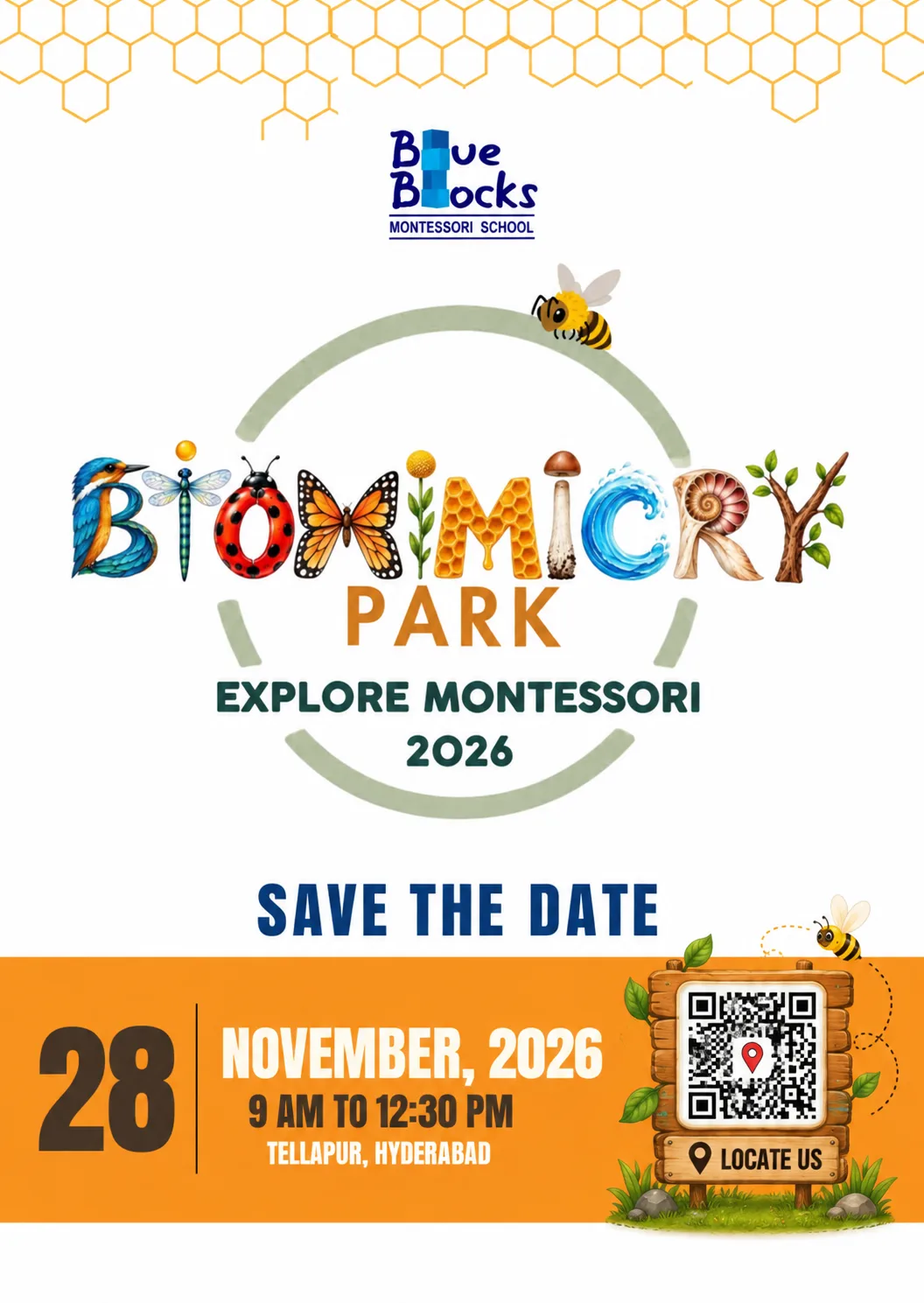
Explore Montessori 2026: every child’s research, in one place
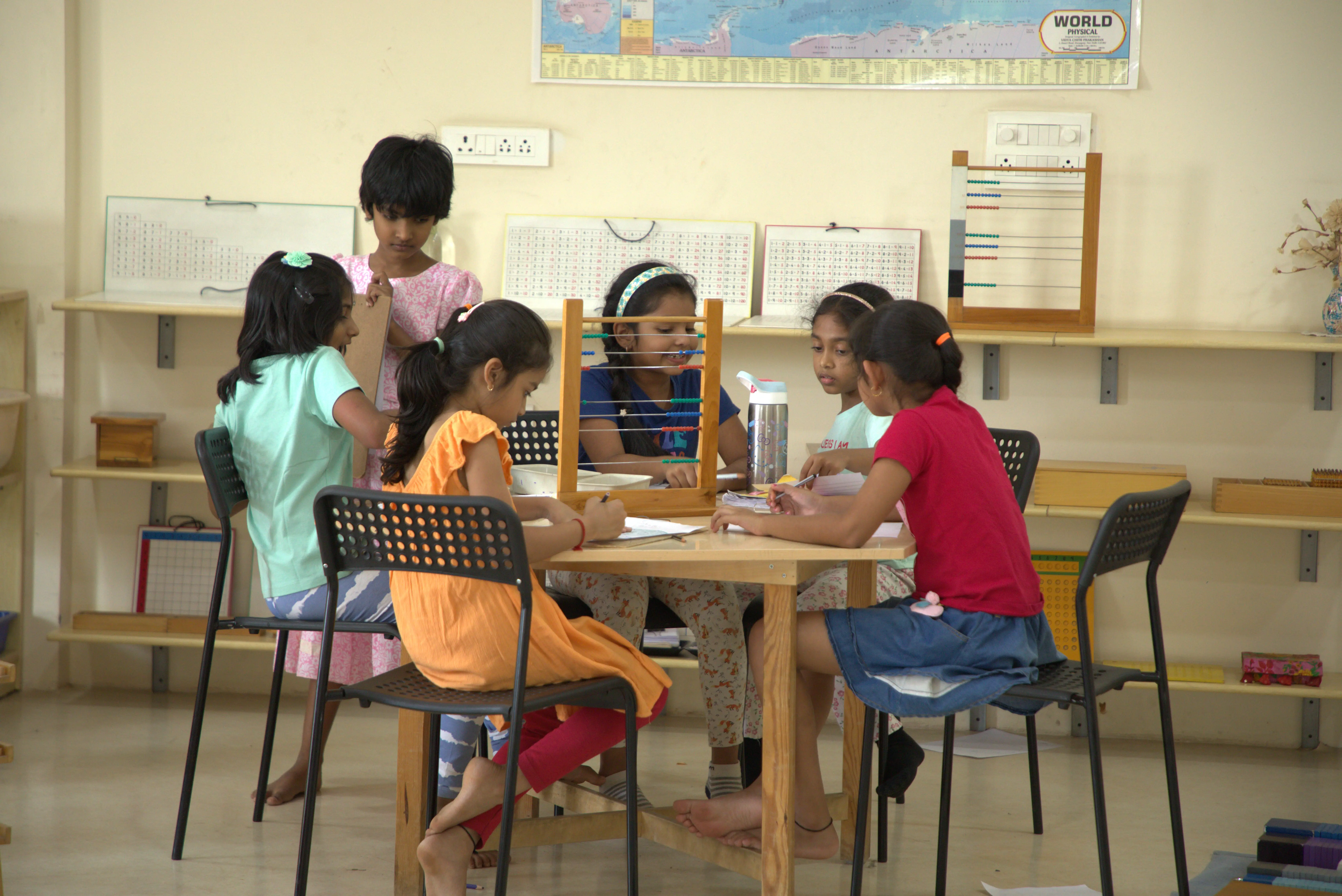
This year, 60 young researchers from the Blue Blocks elementary community, aged 6 to 12, published their first scientific papers.
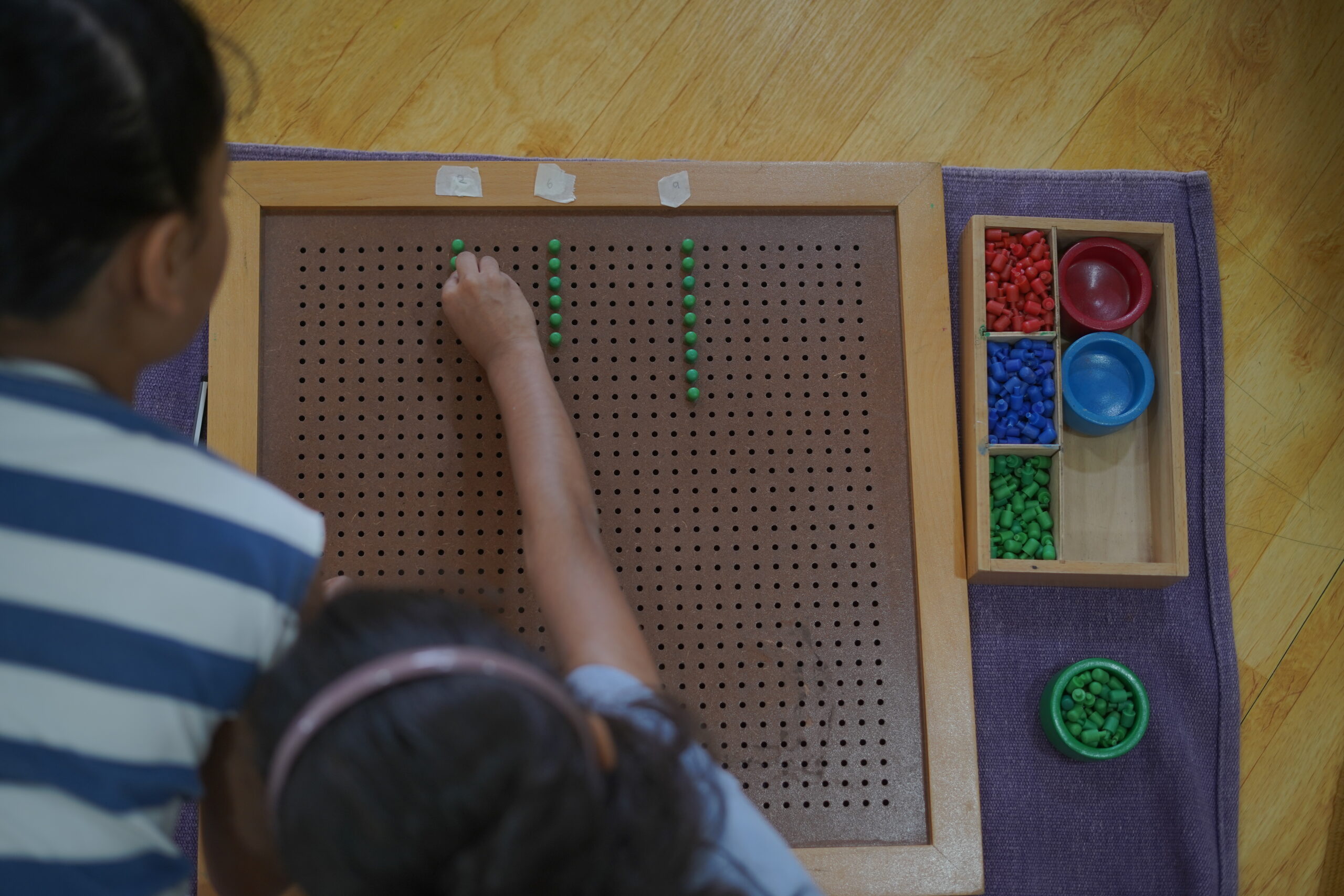
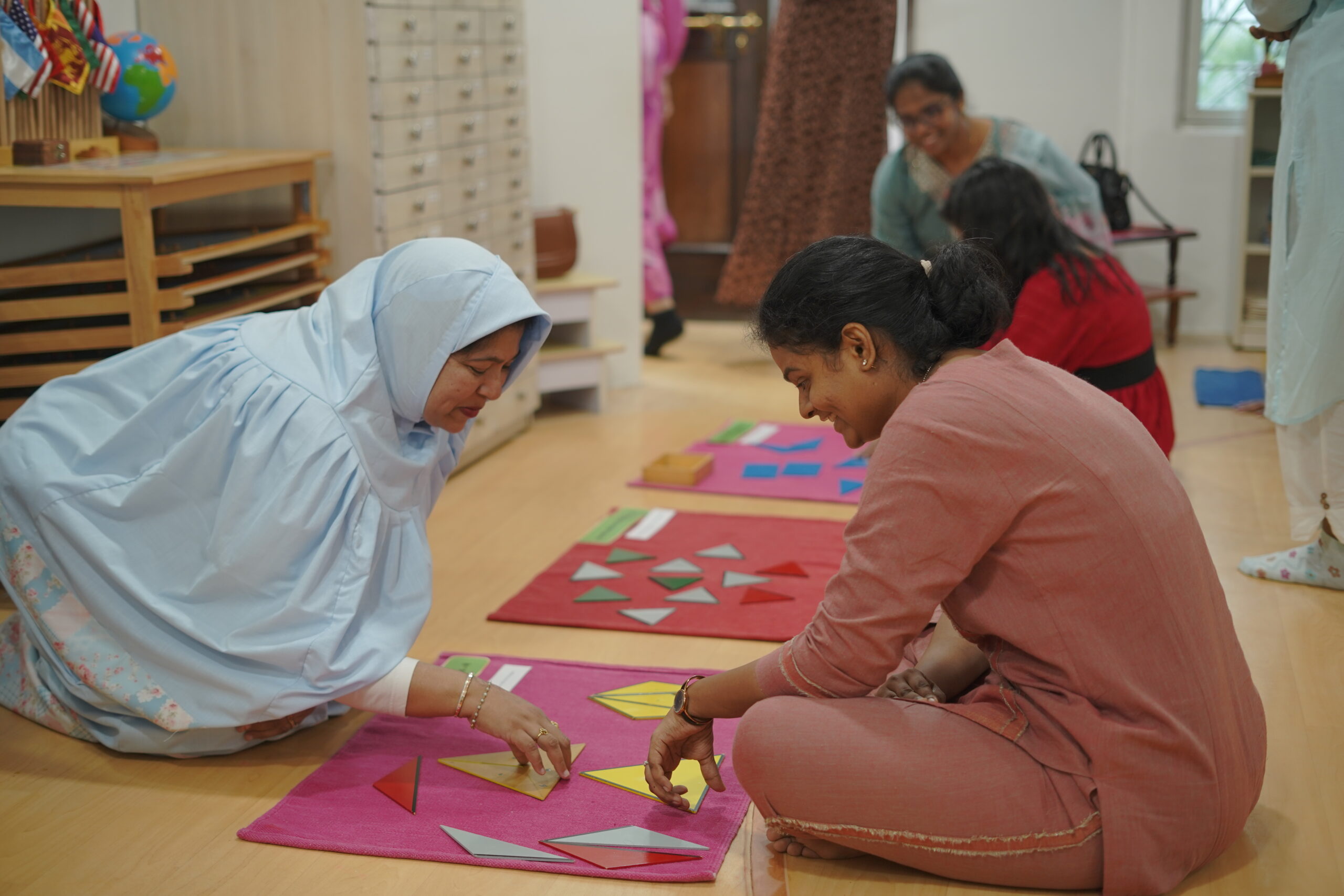
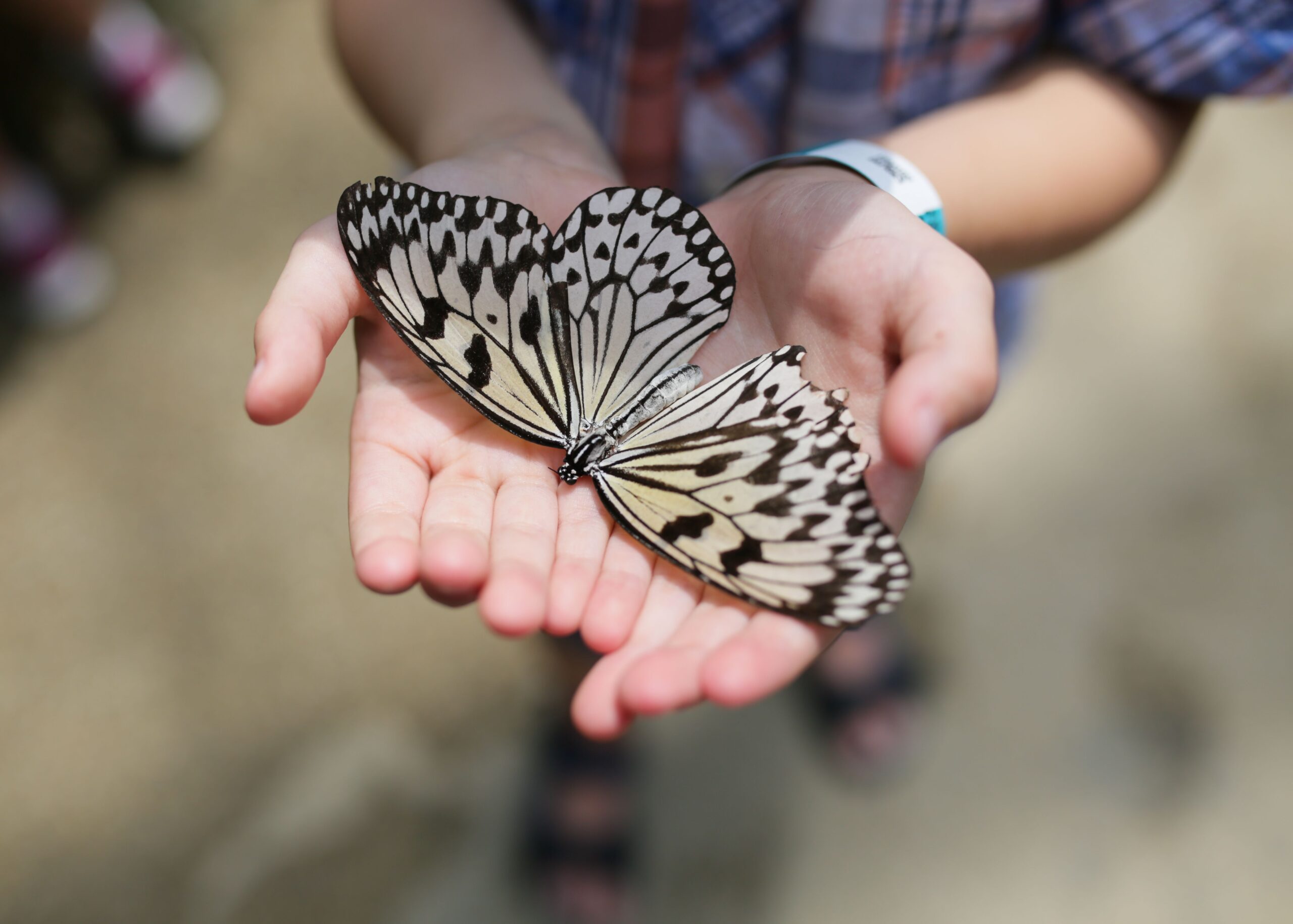
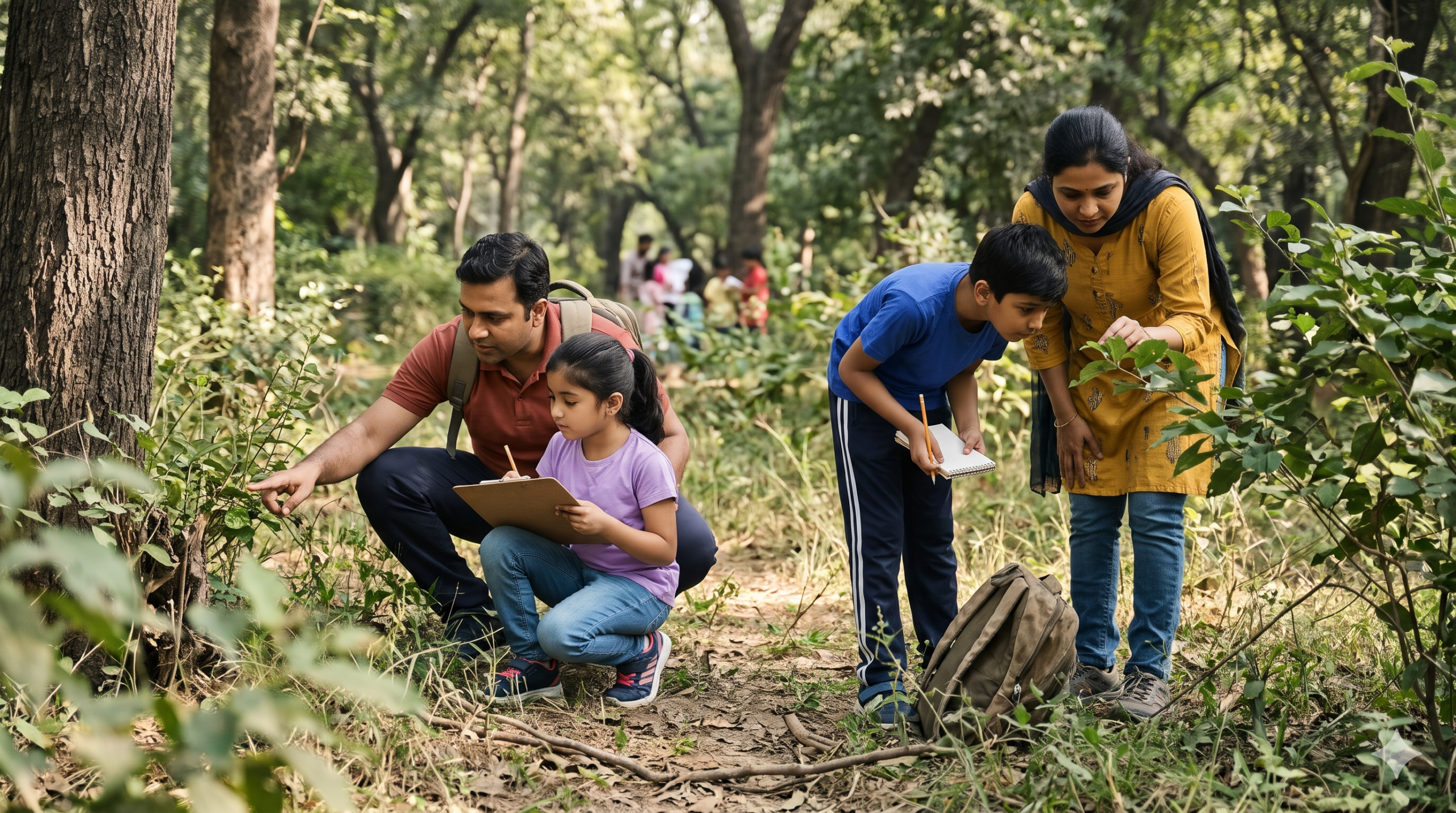
Working alongside their parents during Explore Montessori 2026 and guided by Blue Blocks Micro Research Institute, each child chose something in nature, observed it closely for two weeks, and recorded what they saw. Together, their biomimicry studies ask a simple question: if nature has already solved a problem, what can people learn from it?
Their investigations range from tree bark and birdsong to compost, clouds, and a dog’s nose. Every paper has been published with its own DOI, a permanent identifier that lets anyone, anywhere, find, read, and cite the work for years to come.
Many of the design ideas in these papers are early and untested, and the children say so in their own writing. That honesty is part of what makes their work real research.
Click any researcher’s name below to read their study.
9 researchers who watched leaves grow and change
Leaves look still. Measured every day for two weeks, they turn out to be anything but.
Exploring the Shapes and Sizes of Three Different Leaves, by Havish Reddy
Every day at 5 pm for fourteen days, Havish measured rose, hibiscus and neem leaves, and the hibiscus leaf stayed the longest throughout, growing from 6.0 cm to 8.6 cm. Its veins and pointed tip inspired an idea for a rain-harvesting roof.
Colour Change in the Leaves of a Single Home Plant, by Arjun Julakanti
At six, Arjun tracked three leaves on one home plant and watched the oldest turn from yellow-green to red-brown while the younger leaves stayed green. That colour change became the idea for a colour-changing strip for a car’s air filter.
The Life Journey of a Leaf, by Ashwat Chauhan
Measuring a new and an old syngonium leaf daily for two weeks, Ashwat found the old leaf held at 17.0 cm while the new one grew from 14.0 cm to 14.8 cm. Knowing that plants share surplus sugar between leaves led to an idea for neighbourhoods that share solar power.
The Unfurling Miracle, by Avyushi Chauhan [DOI to be confirmed]
Avyushi followed a new philodendron leaf as it grew hidden, then unrolled and opened. The way it unfurls became the design for an umbrella that opens like a leaf.
From a Rolled Bud to a Big Leaf, by Rohit Nallamothu
Rohit compared a tightly rolled young leaf, about 1.5 cm long, with a mature leaf of nearly 25 cm on the same plant. The result is a “photosynthetic robot” whose solar panels would unfold the way a leaf does.
Copperleaf Plant Colour Changes, by Dhruva Kumar Balabadhrapatruni
Dhruva followed a new copperleaf leaf as it grew, changed colour and unrolled in a Hyderabad garden. Those changes are brought together in a model called the “Magic Sunlight Shrub”.
Shield of Colour vs. Coat of Armour, by Kaushiki Pandey
On a balcony, Kaushiki compared how croton and ajwain protect themselves from strong sun: one with a shield of colour, the other with a coat of armour. Two very different survival strategies, side by side.
How Does a Rose Plant Respond to Different Weather Conditions, and What Can Be Learned from It?, by Satviki Medha Devarapalli
Over fourteen days in a backyard, Satviki recorded how a rose plant responded to changing weather. What it showed led to a solar panel that follows the sun.
Leaves that Fold When Touched, by Manvik Reddy
Manvik watched the touch-me-not plant fold its leaves at the lightest touch and open them again. That quick, reversible fold became the starting point for a leaf-inspired folding design.
9 researchers who followed flowers and their visitors
Which flowers do insects choose, and why? Two of our youngest researchers asked the same question and found opposite answers, which is exactly how science works.
Why Do Insect Visitors Choose Yellow Flowers?, by Anjaneya Sharma
Watching a garden flower patch every morning for two weeks, Anjaneya, aged six, counted 90 insect visitors, 66 of them to yellow flowers. The result inspired a bright yellow safety badge for school bags.
Flowers and Bees: Which Flower Colours Get the Most Insect Visitors?, by Mihira Kiran Nallobotula
In a different flower bed, six-year-old Mihira found the opposite pattern: red flowers drew 13 visitors across the counts, yellow just one. A flower-shaped sticker is the design idea that followed.
How Can Rainwater Be Stored Like a Hibiscus Flower’s Staminal Tube?, by Rishika Reddy Manumachu
Rishika watched a potted hibiscus every evening for fourteen days, and ants were the most frequent visitor on 13 of them. The flower’s slender staminal tube inspired a sketch for storing rainwater.
From Flowers to Robobee, by Ira Dhriti Attuluri
Ira studied which flower shapes draw the most insect visitors in a home garden. The work ends with Robobee, a bee-inspired robot for collecting waste.
How Does Pollination Happen on a High Balcony?, by Ayaan Seethamsetty
Ten floors up, Ayaan watched which visitors still find a balcony garden. The observations led to ideas for artificial pollination.
How Do Bees and Other Insects Travel Between Flowers for Pollination, and How Can Their Routes Be Copied for Human Travel?, by Rutvvi Jain
Rutvvi traced how bees and other insects move from flower to flower. The question that follows: could those efficient routes be copied for human travel?
Do Tube-Shaped Flowers Withstand the Wind Better than Bell-Shaped Flowers?, by Sahas Mannam
Sahas compared how tube-shaped and bell-shaped flowers stand up to wind. The study explores how flower shapes could inspire wind- and water-resistant buildings.
A Long Wait for a One-Day Flower, by Taakshvi Agarwal
The passion flower opens for a single day after a long wait. Taakshvi recorded its blooming cycle, its visitors and the ants that stand guard over it on an urban balcony.
From Five-Petal Oleander Flowers to Bee-Friendly Planting, by Vaishnavi Thrushna Udayabhanu
Vaishnavi studied flower shape and flowering on a single oleander plant, alongside reading about pollinators. The work closes with ideas for bee-friendly planting.
11 researchers who studied trees, bark and canopies
A single tree turns out to be a shelter, a clock, a building and a filter, depending on who is watching.
From Tree Bark to Living Walls, by Shreyasee Singireddy
Over fourteen evenings, eight-year-old Shreyasee counted 57 small creatures on neighbourhood tree bark, with more on smooth, peeling bark than in deep grooves. The study ends with a bark-inspired “living wall” to clean methane from the air.
Bark, the Soldier That Protects the Tree, by Parshva Somaraj
Parshva spent fourteen days studying one tree trunk and the bark that guards it. Bark as a soldier became the idea for a protective helmet.
Which Tree Canopy Makes the Best Natural Umbrella?, by Rudransh Bonagiri
Over 13 park visits, seven-year-old Rudransh compared a spreading canopy with a columnar one and recorded shadows about twenty steps wide in the late afternoon. The answer to the best natural umbrella: a spreading canopy for bus stops.
Which Tree Canopy Shape Is Best for Resting?, by Dhruv Chaturvedula
Dhruv, aged six, compared a spreading tree and a weeping tree over 13 afternoons, counting who stopped to rest beneath them. The weeping canopy inspired a design for a beach shower.
Canopy and Tree Branch Swaying, by Sai Chandana Kata
Sai Chandana watched how the high and low branches of a sapota tree move in light and strong wind. Branches that bend without breaking inspired a swaying tower.
Does a Tree Change in 14 Days?, by Atharv Bandi
Atharv measured the trunks of three trees over two weeks to find out. What they showed about steady growth led into thinking about stable structures.
Roadside Tree Ecosystem, by Jashwanth Kata
Jashwanth compared the dust settling on a roadside tree with a plant in a sheltered spot. The difference shaped a model of a green barrier against traffic pollution.
A Big Tree Ecosystem: More Life in Less Space, by Sree Aadya Devarapalli
Layer by layer, Sree Aadya surveyed the life on a single peepal tree for fourteen days. More life in less space became the idea for a multi-layered building.
Mr. Tangled Man, by Yatharth Agarwal
Yatharth studied a gulmohar tree as a three-floor community. The question it raises: could apartment towers sustain themselves the same way?
Many Creatures Living and Working in One Space, by Dheera Tejaswiraj
For fourteen days, Dheera recorded the visitors to one mango tree. The study shows how many lives share and work within a single tree.
Following a Tree’s Shadow: Can Shadows Help Us Tell Time?, by Marian Rinmuani Draper
Marian followed the shadow of a sago palm for fourteen days. The result is a design for a shadow clock.
14 researchers who found whole worlds in small places
A stone, a lawn, a shrub, a compost bin. Look closely enough, and each one is crowded with life.
Cooling Cave: Who Lives Under a Stone?, by Adhvik Ram Reddy Malla
On thirteen evenings, eight-year-old Adhvik lifted the same roadside stone, finding up to 13 earthworms, ants and termites on the first visit and none on several later ones. The cool, damp hideaway inspired a shelter called the Cooling Cave.
Insect Hunters and Nature’s Warriors on a Patch of Grass, by Rahul Valevati
Watching a lawn every evening for fourteen days, Rahul, aged nine, counted 161 insects, 150 of them ants. The design that followed is an automatic insect counter using a sensor and camera.
Creature Movements Around a Garden Shrub, by Sudhini Swecha Reddy
Watching small animals around a garden shrub, Swecha found that 22 of 32 movements followed routes nobody had marked. The lesson for path designers: plant along the routes animals already use.
Pathways of the Garden, Learning from Nature to Design Better Routes, by Siva Manasi Devarapalli
Siva Manasi mapped how insects and small animals move through a community park over fourteen days. Their pathways became lessons for designing better routes.
Flies, Spiders and Snails, by Saman Ezhilarasan
Beside a community basketball court, Saman found flies, spiders and snails making use of the plants. A close look at the small lives that share a busy space.
The Plant and Its Guests, by Nehal Sri Vishnu
Nehal watched ants, butterflies and other insects visit one garden plant for food and shelter. A single plant, it turns out, is host to many guests.
Tiny Creatures Solving Big Problems, by Shambhavi Shrimali
Shambhavi recorded the regular and occasional visitors to a balcony garden. The Indian lily moth caterpillar inspired a design for a climbing robot.
Who Visits My Terrace Vegetable Garden, and How Can I Invite More Helpers?, by Nirvighn Choudary Pavuluri
Nirvighn asked who visits a terrace vegetable garden and how to invite more helpers. The answer is an “Ant Corner” built into the garden.
Insect Behaviour Before and After Rain, by Laya Konda
Laya compared how insects, especially ants, behaved before and after rain. The question at the heart of the study: what can ants teach us about the weather?
Day and Night, It’s Fun, by Aayansh Veeramally
For fourteen days, Aayansh compared life at one garden spot by day and by night. The same small place, it turns out, keeps two very different timetables.
A World on a Rock, by Sri Gagana Vinukonda
On fourteen evenings, seven-year-old Sri Gagana counted between 30 and 46 living things on a single granite boulder in a city park. Gecko-like grip and segmented bodies inspired ideas for footwear and robots.
How Everything Works Together in Nature, by Jairaj Ujjawal Tyagi
Jairaj studied how animals, plants and people depend on one another in a society park. The garden’s ecosystem inspired a vertical forest building.
What Can Humans Learn from How Animals Interact?, by Samyukta Vyakaranam
Over fourteen days, Samyukta recorded the meetings between animals around a home. The study asks what people could learn from the way animals interact.
How Fast Does a Compost Pile Sink?, by Reyansh Sharma
Reyansh tracked balcony kitchen waste as it warmed, sank and filled with decomposer life. A close look at how nature turns waste back into soil.
6 researchers who listened to birds and watched animals
Calls at dawn, birds heading home at dusk, a dog following its nose. Some of the richest studies began simply by paying attention.
How Birds Communicate and How This Knowledge Can Help Humans, by Tara P. Ram
Listening from a terrace for fourteen mornings, eight-year-old Tara logged nearly 900 bird sounds. The design in progress is a translator that would show what a call means, for babies and pets.
Who Sings at Dawn?, by Aditya Sahoo
Aditya recorded which birds call at dawn from a balcony over fourteen mornings. The study ends with an acoustic monitor that can tell birdsong from human voices.
Iridescence and a Disappearing Habitat, by Mohammad Zakariya
For fourteen evenings, eight-year-old Zakariya watched a field beside an apartment complex, where usually only one or two peafowl crossed. The peacock’s shimmering colours inspired a colour-coded toll booth.
Where Do the Evening Birds Go?, by Rudraunsh Anumolu
As the day ended, Rudraunsh counted the birds flying past a balcony. Where they go at dusk inspired a rooftop roosting shelter.
Luna’s Little Nose Adventure, by Shami Serene Siro
Shami followed a pet dog, Luna, through favourite resting spots, daily walks and constant sniffing. The question that follows: what can people learn from a dog’s nose?
Insects Around a Balcony Light, by Manushi Kalyanam
Watching one balcony light for fourteen nights, nine-year-old Manushi counted up to about twenty insects on dry evenings and none in heavy rain. The design that followed is a kinder light: shielded, warm and dim.
5 researchers who studied the sky, wind and rain
Clouds, wind and puddles are part of every day. Recorded carefully, they become data.
Does Wind Move Clouds?, by Gangireddy Lishitha
Watching clouds for ten minutes a day over fourteen days, eight-year-old Lishitha found that the wind on the ground matched the clouds’ direction only twice. A clay-and-toothpick wind vane is the proposed next step.
Cloud Movements and Wind Patterns Above a Home Balcony, by Darsh Prajapati
Darsh tracked clouds and wind above a home balcony for fourteen days. Nature’s way with moving air inspired a wind-scoop idea.
Everyday Change in Cloud Movements, by Zindagi
Zindagi recorded clouds and weather from a balcony every day for fourteen days. A careful daily record of a sky most of us never stop to watch.
How Can We Learn from Clouds to Keep Buildings Cool?, by Riyanshika Reddy Muduganti
Riyanshika observed clouds, wind and warmth near home in the afternoons. Clouds that reflect sunlight inspired a reflective-roof design to keep a city cool.
Before and After Rain, by Aadhya Patsamatla
Aadhya compared puddles, wet ground and living things in a park before and after rain. The way water flows inspired a design for a rain-ready street.
5 researchers who found patterns: symmetry, spirals and branches
Nature repeats its best ideas. These researchers went looking for the patterns.
The Different Kinds of Symmetry in Nature and How They Can Help Solve Human Problems, by Burhanuddin Hussain
Over fourteen days in a home garden, Burhanuddin catalogued the kinds of symmetry plants use. The study asks how each kind could help solve a human problem.
Different Symmetry for Different Problems, by Ridvika Swapnil Dane
Ridvika counted mirror and radial symmetry across a residential community for fourteen days. A starfish’s radial body inspired a robot design.
Spirals in Nature, by Varun Talapala
Varun studied spirals in climbing stems, sunflowers and curled new leaves, all of which fit a lot into a small space. The question: how could we copy that?
What Trees Teach Roads, by Ridhaan Raj Kamal Bonagiri
Ridhaan traced the branching pattern of a champa plant on a balcony. From it came a city road plan copied from a tree.
How Fruits Protect Their Seeds, by Omnith Puvvada
Omnith compared how six kinds of fruit protect their seeds. Fruit skins inspired a child-safety tracker.
1 researcher who ran an experiment with people
One study went a step further, from observing nature to testing an idea on people.
Does Smelling a Nature-Inspired Fragrance Change How Calm People Feel?, by Zoya Fatima
Zoya created a botanical fragrance from eight plant parts and tested whether smelling it changes how calm people feel. The study used a randomised crossover design, in which every volunteer took part in both conditions.
What 60 young researchers have in common
Different gardens, different questions, different answers. Two children studied which flower colours insects prefer and found opposite results. Ants turned up again and again, from a hibiscus on a balcony to a lawn where they made up 150 of 161 insects counted. And almost every study ended the same way: with a child looking at something ordinary and asking what it could teach the rest of us.
That is the habit Explore Montessori sets out to build. Not a perfect answer, but a careful question, a record kept honestly, and the confidence to share it with the world.
To every one of our 60 young researchers, and the families who researched alongside them: congratulations.